
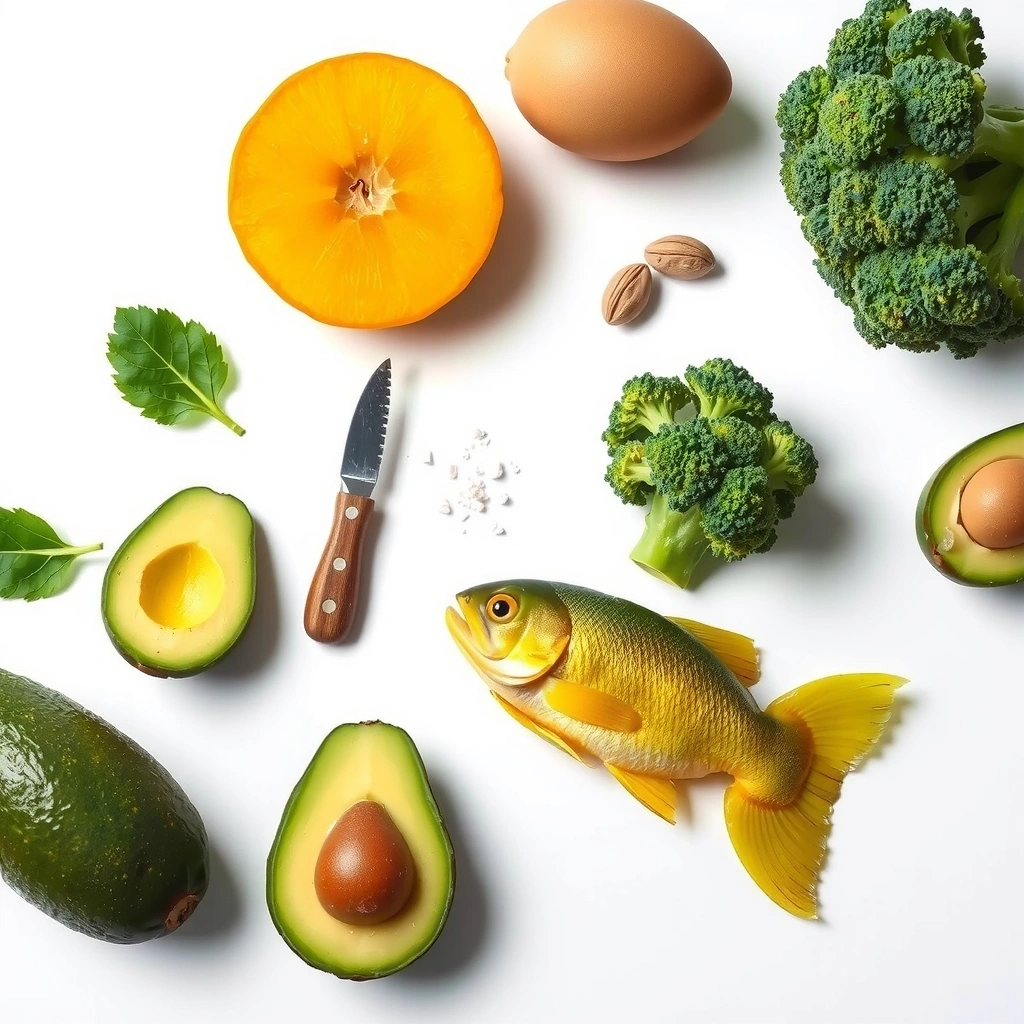
Thyroid-Balanced Nutrition Guide
Master the science of thyroid-friendly nutrition with our comprehensive guide to meal planning, essential nutrients, and lifestyle strategies that support optimal thyroid function.
The Foundation of Thyroid Health
Your thyroid gland, though small in size, requires an intricate balance of nutrients to function optimally. The foods you consume directly influence your thyroid's ability to produce hormones that regulate metabolism, energy levels, and overall wellness.
Research consistently demonstrates that nutritional deficiencies, particularly in selenium and iodine, can significantly impair thyroid function. Understanding these relationships empowers you to make informed dietary choices that actively support your thyroid health rather than hinder it.
"Nutrition is not just about eating well; it's about understanding how each nutrient interacts with your thyroid gland to optimize its performance and your overall health."
Essential Nutrients for Thyroid Function
These critical nutrients form the cornerstone of thyroid health, each playing a unique and vital role in hormone production and metabolism regulation.
Selenium
Crucial for converting T4 to the active T3 hormone, selenium acts as a powerful antioxidant protecting thyroid cells from damage caused by hydrogen peroxide produced during hormone synthesis.
Daily Requirements:
Adults: 55-70 mcg daily
Rich Sources:
- • Brazil nuts (1-2 nuts = 100% DV)
- • Yellowfin tuna (3 oz = 92 mcg)
- • Sardines (3 oz = 45 mcg)
- • Grass-fed beef (3 oz = 23 mcg)
Iodine
The fundamental building block of thyroid hormones T3 and T4, iodine deficiency remains a leading cause of hypothyroidism worldwide, making adequate intake absolutely essential.
Daily Requirements:
Adults: 150 mcg daily (220 mcg during pregnancy)
Rich Sources:
- • Iodized sea salt (1/4 tsp = 70 mcg)
- • Nori seaweed (1 sheet = 16-60 mcg)
- • Cod (3 oz = 99 mcg)
- • Shrimp (3 oz = 35 mcg)
Tyrosine
When combined with iodine, tyrosine forms the molecular structure of thyroid hormones, making it essential for hormone production and proper thyroid function regulation.
Daily Requirements:
Adults: 14mg per kg body weight
Rich Sources:
- • Grass-fed beef (3 oz = 1,100 mg)
- • Organic chicken (3 oz = 900 mg)
- • Pumpkin seeds (1 oz = 540 mg)
- • Wild-caught salmon (3 oz = 1,000 mg)
Vitamin D
Essential for immune system modulation and thyroid function regulation, vitamin D deficiency is common in thyroid patients and supplementation often improves symptoms significantly.
Daily Requirements:
Adults: 600-800 IU (optimal: 1,000-2,000 IU)
Rich Sources:
- • Wild-caught salmon (3 oz = 450 IU)
- • UV-exposed mushrooms (1 cup = 400 IU)
- • Fortified foods (varies by product)
- • Sunlight exposure (10-30 minutes daily)
Vitamin B12
Critical for energy metabolism and red blood cell formation, B12 deficiency frequently coexists with thyroid disorders and can cause similar fatigue symptoms.
Daily Requirements:
Adults: 2.4 mcg daily
Rich Sources:
- • Grass-fed beef liver (3 oz = 70 mcg)
- • Wild-caught salmon (3 oz = 4.8 mcg)
- • Organic eggs (1 large = 0.6 mcg)
- • Nutritional yeast (1 tbsp = 2.4 mcg)
Zinc
Vital for immune function and hormone synthesis, zinc supports thyroid hormone conversion and metabolism, with deficiency commonly affecting those with autoimmune thyroid conditions.
Daily Requirements:
Adults: 8-11 mg daily
Rich Sources:
- • Grass-fed beef (3 oz = 5 mg)
- • Pumpkin seeds (1 oz = 2.3 mg)
- • Grass-fed lamb (3 oz = 3 mg)
- • Chickpeas (1 cup = 2.5 mg)
Thyroid-Friendly Meal Planning System
Transform your relationship with food through strategic meal planning that prioritizes thyroid-supporting nutrients while accommodating your lifestyle and preferences.
Planning Steps
Personal Health Assessment
Begin your thyroid nutrition journey by understanding your unique health profile, current lab values, and specific dietary sensitivities or restrictions.
Key Considerations:
- • Current thyroid medication and timing
- • Lab results (TSH, T4, T3, antibodies)
- • Food allergies and sensitivities
- • Current medication interactions
- • Existing digestive issues
- • Energy levels and symptoms
Documentation Tips:
- • Keep a 7-day food diary
- • Track energy patterns
- • Note digestive responses
- • Record sleep quality
- • Document mood variations
- • Monitor temperature tolerance
Strategic Menu Design
Create balanced weekly menus that consistently deliver thyroid-supporting nutrients while satisfying your personal preferences and lifestyle demands.
Sample Daily Menu
Breakfast (7:00 AM)
- • Vegetable omelet with spinach, mushrooms, and 1 Brazil nut
- • 1 slice whole grain toast with avocado
- • Herbal tea or coffee (30 min after medication)
Mid-Morning Snack (10:00 AM)
- • Apple with 2 tbsp almond butter
- • Sparkling water with lemon
Lunch (12:30 PM)
- • Wild-caught salmon salad with mixed greens
- • Olive oil and lemon dressing
- • Quinoa (1/2 cup cooked)
Afternoon Snack (3:30 PM)
- • Greek yogurt with berries
- • 1 tbsp ground flaxseed
Dinner (6:30 PM)
- • Grass-fed beef stir-fry with broccoli
- • Sweet potato (medium)
- • Side salad with iodized salt
Weekly Rotation Strategy
Monday & Thursday - Seafood Focus
Emphasize iodine-rich fish like cod, salmon, or sardines
Tuesday & Friday - Selenium Stars
Feature Brazil nuts, grass-fed meats, and mushrooms
Wednesday & Saturday - Antioxidant Power
Highlight colorful vegetables, berries, and healthy fats
Sunday - Meal Prep Day
Prepare larger batches of key ingredients for the week
Strategic Shopping Guidelines
Master the art of thyroid-supportive shopping by prioritizing quality, understanding labels, and building relationships with trusted suppliers.
Organic Priority
Focus on "Dirty Dozen" produce and avoid endocrine disruptors
Quality Protein
Select wild-caught fish and grass-fed, pasture-raised meats
Smart Storage
Understand proper storage for maximum nutrient retention
Essential Thyroid Shopping List
Proteins & Healthy Fats
- □ Wild-caught salmon, cod, sardines
- □ Grass-fed beef, organic chicken
- □ Pasture-raised eggs
- □ Avocados, olive oil, coconut oil
- □ Nuts (Brazil nuts, almonds, walnuts)
- □ Seeds (pumpkin, chia, flax)
Vegetables & Fruits
- □ Dark leafy greens (spinach, kale)
- □ Cruciferous vegetables (broccoli, Brussels sprouts)
- □ Colorful bell peppers
- □ Sweet potatoes, butternut squash
- □ Berries (blueberries, strawberries)
- □ Citrus fruits for vitamin C
Meal Preparation Excellence
Transform raw ingredients into thyroid-supportive meals through proper preparation techniques that maximize nutrient bioavailability while minimizing anti-nutrients.
Preparation Techniques by Food Group
Cruciferous Vegetables
- • Steam lightly (3-5 minutes)
- • Ferment when possible (sauerkraut)
- • Balance with iodized salt
- • Combine with thyroid-friendly fats
Proteins
- • Cook at moderate temperatures
- • Avoid overcooking to preserve amino acids
- • Season with herbs and spices
- • Pair with vegetables for balanced meals
Batch Cooking Schedule
Weekly Prep Day
Wash and chop vegetables, cook proteins, prepare grain bases
Mid-Week Refresh
Prepare fresh items, reassess inventory, prepare for upcoming meals
Success Tracking & Optimization
Monitor your progress through comprehensive tracking methods that help you understand how nutrition impacts your thyroid function and overall well-being.
Daily Tracking Metrics
Energy Levels (1-10 scale)
Track morning energy, afternoon crashes, and overall daily vitality
Sleep Quality
Hours slept, sleep quality rating, morning freshness level
Digestive Response
Comfort level, regularity, any adverse reactions to foods
Weekly Assessments
Symptom Patterns
Mood stability, temperature regulation, weight changes
Meal Compliance
Adherence to meal plan, successful nutrition targets met
Progress Photos
Visual documentation of physical changes and improvements
Foods to Avoid & Thyroid Stressors
Understanding which foods can interfere with thyroid function empowers you to make informed choices that support optimal hormone production and metabolism.
Goitrogens
Certain compounds in raw cruciferous vegetables can interfere with thyroid hormone synthesis by blocking iodine uptake, particularly problematic for those with iodine deficiency.
High Goitrogen Foods:
- • Raw Brussels sprouts, kale, cabbage
- • Raw broccoli, cauliflower, bok choy
- • Soy products (tofu, tempeh, soy milk)
- • Millet and cassava
Solution: Cooking deactivates most goitrogens. Steam vegetables lightly and consume in moderation as part of a balanced diet.
Processed Foods
Highly processed foods often contain preservatives, additives, and unhealthy fats that promote inflammation and can interfere with thyroid hormone metabolism.
Problematic Items:
- • Packaged snacks and crackers
- • Fast food and fried items
- • Processed meats (bacon, sausage, deli meats)
- • Artificial sweeteners and diet products
Solution: Choose whole, minimally processed foods. When convenience is needed, select products with recognizable ingredients and no artificial additives.
Excessive Fiber
While fiber is generally healthy, excessive intake can interfere with thyroid medication absorption and should be timed appropriately around medication schedules.
Timing Concerns:
- • High-fiber supplements or powders
- • Large amounts of raw vegetables
- • Excessive whole grain consumption
- • High-fiber protein powders
Solution: Take thyroid medication on an empty stomach, wait 30-60 minutes before consuming high-fiber foods. Maintain moderate fiber intake throughout the day.
Lifestyle Integration Strategies
Successful thyroid nutrition extends beyond meal planning to encompass holistic lifestyle practices that optimize nutrient absorption and thyroid function.

Medication Timing Optimization
Proper timing around thyroid medication is crucial for optimal absorption and effectiveness of both medication and nutrients.
- • Take medication on empty stomach (30-60 minutes before food)
- • Avoid coffee, calcium, and iron supplements for 4 hours
- • Consume thyroid-supporting nutrients in separate meals
- • Maintain consistent timing daily
Stress Management
Chronic stress elevates cortisol, which can interfere with thyroid hormone conversion and utilization.
- • Regular meditation or mindfulness practice
- • Gentle exercise (yoga, walking, swimming)
- • Adequate sleep (7-9 hours nightly)
- • Social support and connection
Environmental Considerations
Environmental toxins can disrupt thyroid function and should be minimized when possible.
- • Filtered water to remove chlorine and fluoride
- • Natural cleaning and personal care products
- • Adequate ventilation when cooking
- • Minimize exposure to heavy metals
Professional Support & Resources
Building a healthcare team and accessing quality resources ensures you receive personalized guidance for your unique thyroid nutrition needs.
Recommended Specialists
Endocrinologist
Medical doctor specializing in hormone disorders, essential for thyroid medication management and lab monitoring.
Look for: Board certification, experience with thyroid disorders, collaborative approach to nutrition.
Registered Dietitian
Nutrition professional with expertise in thyroid-specific dietary needs and meal planning strategies.
Look for: Thyroid specialization, functional medicine approach, evidence-based practices.
Functional Medicine Practitioner
Holistic approach addressing root causes of thyroid dysfunction through comprehensive lifestyle interventions.
Look for: Comprehensive testing, personalized protocols, focus on root cause resolution.
Quality Resources & Testing
Comprehensive Lab Panel
- • TSH, Free T4, Free T3
- • Thyroid antibodies (TPO, TgAb)
- • Vitamin D, B12, folate
- • Selenium, zinc, magnesium
- • Iron studies and inflammation markers
Educational Materials
- • Evidence-based thyroid nutrition guides
- • Peer-reviewed research articles
- • Professional organization resources
- • Patient advocacy groups and communities
Tracking Tools
- • Food and symptom tracking apps
- • Lab result tracking systems
- • Meal planning and recipe resources
- • Progress monitoring spreadsheets
Ready to Start Your Thyroid Nutrition Journey?
Take the first step toward optimal thyroid health with personalized guidance from our experienced team of nutrition professionals.
Frequently Asked Questions
Get answers to common questions about thyroid nutrition and meal planning from our team of experts.
How long does it take to see improvements in thyroid function through nutrition?
While some people notice improvements in energy and symptoms within 2-4 weeks of consistent nutrition changes, significant thyroid function improvements typically occur over 3-6 months. This timeline allows for cellular regeneration and hormone balance restoration. Consistency is key - occasional healthy meals won't create the same results as sustained nutritional support.
Should I avoid all cruciferous vegetables if I have hypothyroidism?
No, complete avoidance isn't necessary or recommended. Cooking deactivates most goitrogenic compounds, and these vegetables provide valuable nutrients including vitamin K, folate, and fiber. The key is moderation (1-2 cups cooked daily) and proper preparation. Raw consumption in large quantities should be limited, especially if you have iodine deficiency.
How much selenium do I need daily, and is supplementation necessary?
The recommended daily intake is 55-70 mcg for adults. Most people can achieve adequate levels through dietary sources like Brazil nuts, seafood, and meats. However, many thyroid patients benefit from 100-200 mcg supplementation, especially if soil selenium levels are low in your region. Work with a healthcare provider to determine your individual needs and monitor selenium status through testing.
Can I eat soy products if I have thyroid issues?
Soy contains isoflavones that can interfere with thyroid function, particularly in people with iodine deficiency or those taking thyroid medication. If you choose to include soy, opt for fermented varieties like tempeh and miso, consume in moderation (2-3 servings per week), and ensure adequate iodine intake. Always discuss with your healthcare provider, especially if you're taking thyroid medication.
How should I time my meals around thyroid medication?
Take thyroid medication on an empty stomach, preferably 30-60 minutes before breakfast. Wait at least 3-4 hours after taking medication before consuming high-calcium or high-iron foods, supplements, or large amounts of fiber. This timing ensures optimal medication absorption while still allowing you to eat regular, nutritious meals throughout the day.
What are the best dietary approaches for thyroid autoimmunity (Hashimoto's)?
Hashimoto's often benefits from anti-inflammatory approaches like the Mediterranean diet, Paleo, or Autoimmune Protocol (AIP). Focus on eliminating inflammatory foods while emphasizing nutrient-dense options. Many people find success with gluten-free diets due to molecular mimicry. Work with a knowledgeable practitioner to create a personalized approach based on your specific triggers and sensitivities.