
Selenium & Iodine
Essential Minerals for Thyroid Balance
Discover how these two critical micronutrients work together to support optimal thyroid function, hormone production, and overall metabolic health.
Explore the Science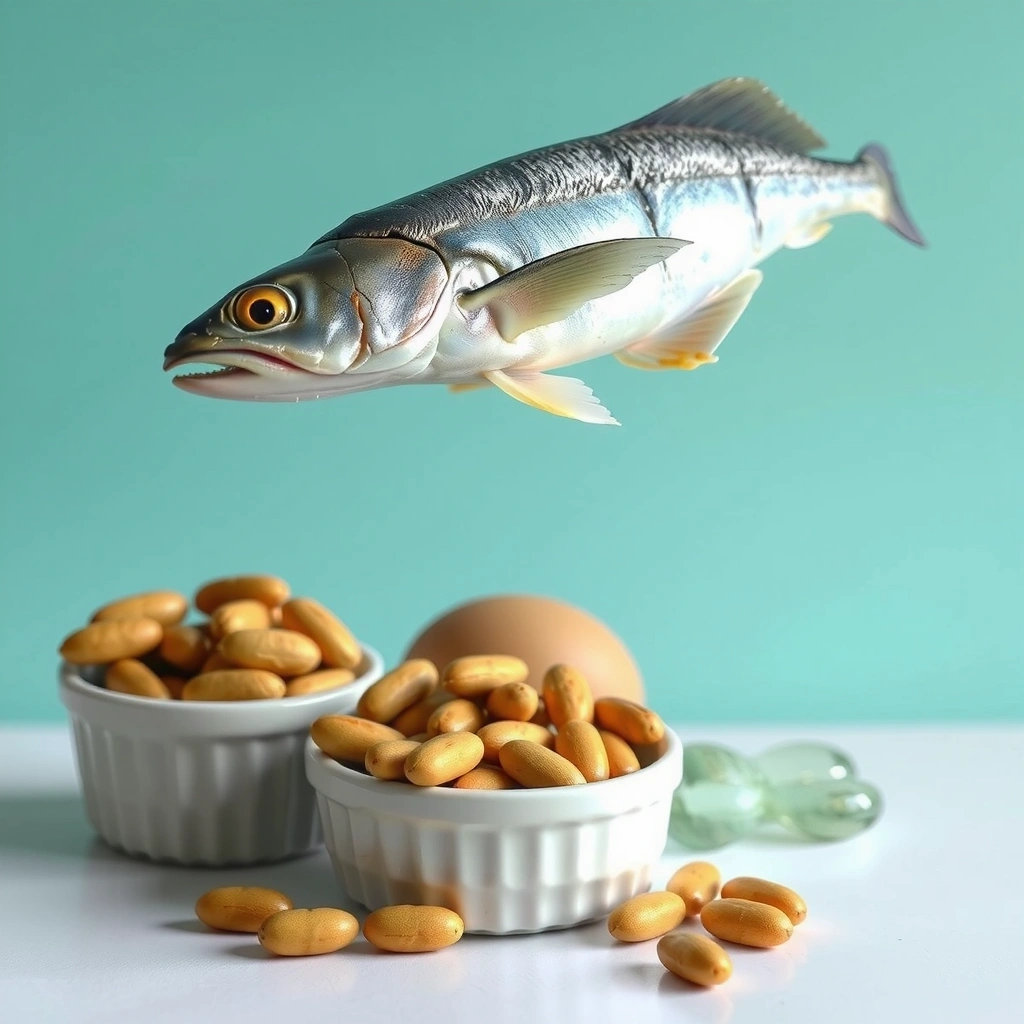
Selenium: Thyroid's Essential Mineral
Selenium stands as one of the most critical micronutrients for thyroid health, serving as a fundamental component of the enzymes that convert inactive thyroid hormone (T4) into its active form (T3). This essential mineral doesn't just support thyroid function—it actively protects your thyroid gland from oxidative damage and inflammation.
Primary Functions in Thyroid Health
- Deiodination: Facilitates the conversion of T4 to active T3 hormone through selenoprotein enzymes
- Antioxidant Protection: Glutathione peroxidase enzymes neutralize free radicals that damage thyroid tissue
- Immune Modulation: Supports balanced immune response and reduces autoimmune thyroiditis risk
Daily Requirements & Optimal Intake
The recommended daily allowance for selenium varies by age, gender, and health status. For adults, the RDA is 55 micrograms daily, but therapeutic ranges for thyroid support may be higher.
Age-Specific Requirements:
- • Adults 19+: 55 mcg daily
- • Pregnant women: 60 mcg daily
- • Breastfeeding women: 70 mcg daily
- • Therapeutic range: 100-200 mcg daily
Natural Food Sources
Selenium exists in varying concentrations depending on soil content and food processing. Some of the richest natural sources include:
Brazil Nuts
Highest selenium content - just 1-2 nuts provide full daily requirement
Seafood
Tuna, sardines, and shrimp offer excellent bioavailability
Eggs & Poultry
Consistent selenium source with good protein combination
Whole Grains
Selenium-enriched cereals and brown rice support daily intake
Iodine: Foundation of Thyroid Function
Iodine serves as the fundamental building block for thyroid hormones T3 and T4, making it absolutely essential for thyroid hormone synthesis. Without adequate iodine, the thyroid cannot produce sufficient hormones, leading to hypothyroidism, goiter, and a cascade of metabolic dysfunction affecting every system in your body.
Critical Functions in Thyroid Health
- Hormone Synthesis: Combines with tyrosine to form T3 and T4 thyroid hormones
- Metabolic Regulation: Controls basal metabolic rate and energy production at cellular level
- Growth & Development: Essential for proper brain development and neurological function
- Temperature Regulation: Helps maintain optimal body temperature and thermogenesis
Daily Intake Recommendations
Iodine requirements vary significantly based on life stage, physiological status, and geographic location. The World Health Organization recommends different intakes for various populations.
Recommended Daily Allowances:
- • Adults: 150 mcg daily
- • Pregnant women: 220 mcg daily
- • Breastfeeding women: 290 mcg daily
- • Children 1-8 years: 90 mcg daily
- • Children 9-13 years: 120 mcg daily
Rich Food Sources & Bioavailability
Iodine content in foods varies dramatically by geographic region and processing methods. Marine sources provide the most bioavailable iodine, while plant sources depend heavily on soil iodine content.
Safety Considerations:
- • Upper limit: 1,100 mcg daily for adults
- • Excess iodine can trigger autoimmune thyroiditis
- • Maintain consistent intake rather than sporadic high doses
- • Monitor thyroid function with regular testing
Complete Food Source Guide
Understanding which foods provide the most bioavailable selenium and iodine helps optimize your thyroid nutrition strategy. Here's your comprehensive guide to thyroid-supportive foods.
Selenium Champions
Brazil Nuts
6-8 nuts provide 544 mcg
Yellowfin Tuna
3 oz serving provides 92 mcg
Sardines
3 oz can provides 45 mcg
Eggs
2 large eggs provide 30 mcg
Sunflower Seeds
1 oz provides 23 mcg
Iodine Powerhouses
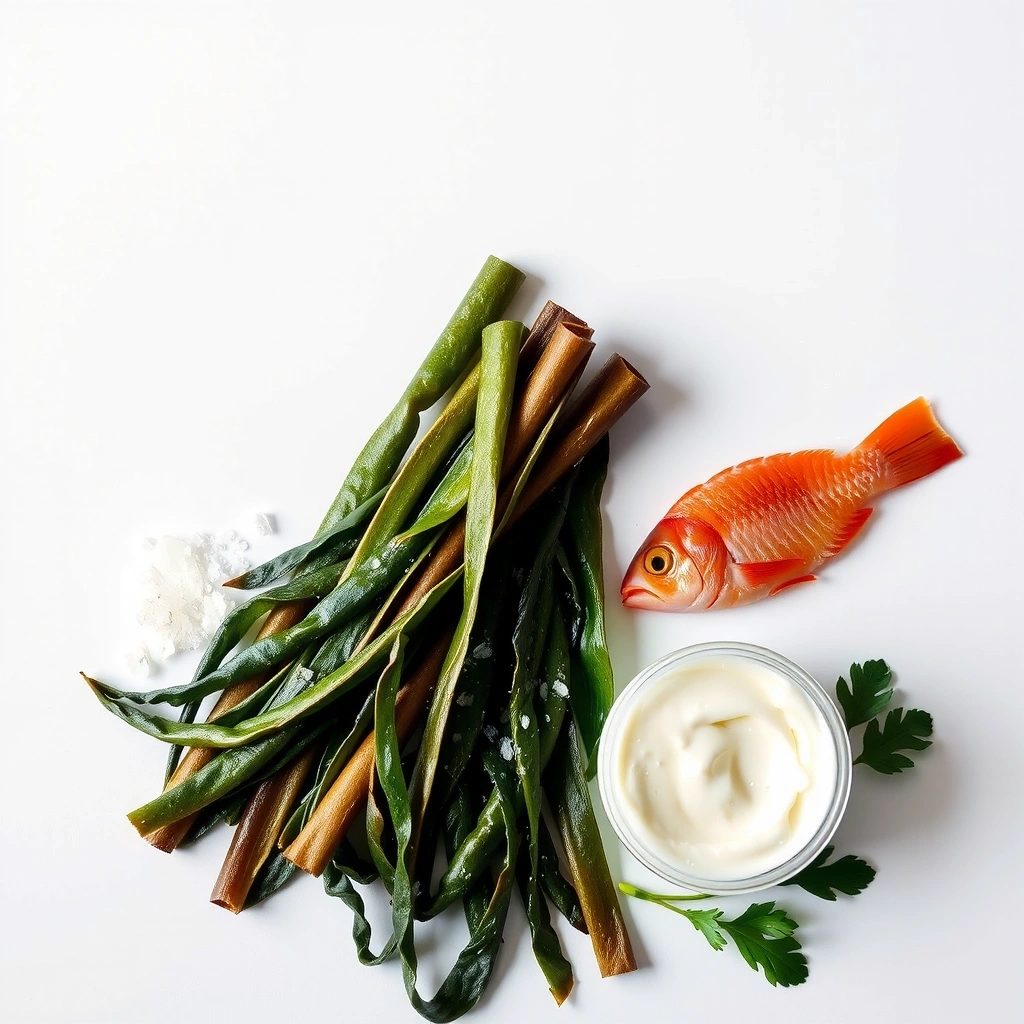
Kelp
1 tsp dried provides 2,984 mcg
Cod
3 oz cooked provides 99 mcg
Shrimp
3 oz cooked provides 35 mcg
Dairy (Milk)
1 cup provides 56 mcg
Iodized Salt
1/4 tsp provides 71 mcg
Daily Requirements & Safety Guidelines
Precise understanding of selenium and iodine requirements ensures optimal thyroid function while maintaining safety. This comprehensive guide covers all demographics and special considerations.
| Life Stage / Condition | Selenium RDA | Iodine RDA | Upper Limit | Notes |
|---|---|---|---|---|
| Infants 0-6 months | 15 mcg | 110 mcg | 45 mcg (Se) | Primarily from breast milk |
| Infants 7-12 months | 20 mcg | 130 mcg | 60 mcg (Se) | Introduce fortified foods |
| Children 1-3 years | 20 mcg | 90 mcg | 90 mcg (Se) | Diversify food sources |
| Children 4-8 years | 30 mcg | 90 mcg | 150 mcg (Se) | Include seafood 2-3x weekly |
| Children 9-13 years | 40 mcg | 120 mcg | 280 mcg (Se) | Growth spurts increase needs |
| Adolescents 14-18 years | 55 mcg | 150 mcg | 400 mcg (Se) | Include Brazil nuts weekly |
| Adults 19+ years | 55 mcg | 150 mcg | 400 mcg (Se) | Maintain consistent intake |
| Pregnant Women | 60 mcg | 220 mcg | 400 mcg (Se) | Critical for fetal brain development |
| Breastfeeding Women | 70 mcg | 290 mcg | 400 mcg (Se) | Support infant thyroid development |
Special Population Considerations
Thyroid Disease Patients
Require individual assessment and monitoring. Selenium supplementation may benefit Hashimoto's patients (100-200 mcg daily). Iodine intake should be carefully managed with physician guidance.
Vegetarian/Vegan Populations
Higher risk for selenium deficiency due to limited food sources. Consider Brazil nuts, nutritional yeast, and supplements. Iodine from iodized salt is crucial.
Geographic Regions
Soil selenium content varies dramatically worldwide. Mountainous and coastal areas may have higher selenium, while inland regions may be deficient.
Monitoring & Testing Recommendations
Blood Markers to Monitor
- • Serum selenium levels (70-150 ng/mL optimal)
- • Urinary iodine concentration (100-200 mcg/L)
- • Thyroid function tests (TSH, Free T4, Free T3)
- • Thyroid antibodies (TPO, TgAb) if autoimmune suspected
Testing Frequency
- • General population: Annual wellness check
- • High-risk groups: Every 6 months
- • Thyroid conditions: Every 3 months
- • Pregnancy: Each trimester
Warning Signs
- • Persistent fatigue despite adequate sleep
- • Unexplained weight changes
- • Hair loss or brittle nails
- • Cold intolerance or heat sensitivity
Supplementation Guidelines
When dietary intake is insufficient, targeted supplementation can optimize thyroid function. Understanding bioavailability, forms, and dosing protocols ensures safe and effective mineral support.
Selenium Supplementation
Forms, dosing, and safety considerations
Available Forms
Selenomethionine
Highest bioavailability, 80-90% absorption rate
Selenite
Inorganic form, lower bioavailability but stable
Sodium Selenite
Common in supplements, budget-friendly option
Dosing Protocols
Standard Supplementation:
- • Prevention: 100 mcg daily
- • Thyroid support: 200 mcg daily
- • Autoimmune thyroiditis: 200-400 mcg daily
- • Maximum safe dose: 400 mcg daily
Safety Guidelines
- • Avoid mega-doses above 400 mcg
- • Monitor levels every 3-6 months
- • Watch for garlic breath or metallic taste
- • Stop if nails become brittle or hair falls out
Iodine Supplementation
Forms, dosing, and critical considerations
Available Forms
Potassium Iodide (KI)
Most common, 76% iodine by weight
Kelp (Whole Food)
Natural source, variable iodine content
Lugol's Solution
Liquid form, precise dosing control
Dosing Protocols
Supplementation Guidelines:
- • Mild deficiency: 150 mcg daily
- • Moderate deficiency: 300 mcg daily
- • Pregnancy/breastfeeding: 220-290 mcg daily
- • Maximum safe dose: 1,100 mcg daily
Critical Warnings
- • Must be taken with selenium for proper utilization
- • Can trigger autoimmune thyroiditis in susceptible individuals
- • Start with low doses to assess tolerance
- • Regular thyroid monitoring is essential
Drug-Nutrient Interactions
Understanding how medications affect selenium and iodine absorption ensures optimal thyroid nutrition protocols and prevents potential interactions that could compromise treatment effectiveness.
| Medication Category | Selenium Impact | Iodine Impact | Management Strategy |
|---|---|---|---|
| Thyroid Medications Levothyroxine, Liothyronine |
✓ Beneficial | ✓ Synergistic | Support thyroid hormone conversion and reduce oxidative stress |
| Antithyroid Drugs Methimazole, Propylthiouracil |
⚠ Monitor | ✗ Avoid | Selenium may help with side effects, iodine can interfere with drug action |
| Beta Blockers Propranolol, Metoprolol |
— No interaction | — No interaction | No known interactions with selenium or iodine |
| Corticosteroids Prednisone, Dexamethasone |
✓ Beneficial | ⚠ Monitor | Selenium may reduce inflammation, iodine affects steroid metabolism |
| Chemotherapy Agents Cisplatin, Doxorubicin |
✗ Reduce | ✗ Reduce | May interfere with treatment or increase toxicity |
| Antibiotics Sulfonamides, Quinolones |
⚠ Separate timing | — No interaction | Take supplements 2-4 hours apart from antibiotics |
| Anticoagulants Warfarin, Heparin |
⚠ Monitor INR | — No interaction | Selenium may enhance anticoagulant effects, monitor clotting |
Your Thyroid Health Action Plan
Implementing a comprehensive selenium and iodine strategy requires careful planning and monitoring. This step-by-step approach ensures optimal thyroid function while maintaining safety.
Assessment
- Complete thyroid function panel (TSH, Free T4, Free T3)
- Measure serum selenium and urinary iodine levels
- Review current medications and supplements
- Assess dietary intake and geographic factors
- Identify risk factors and family history
Optimization
- Implement dietary changes focusing on selenium-rich foods
- Include iodized salt or seaweed 3-4 times weekly
- Time supplements for optimal absorption
Monitoring
- Reassess thyroid function every 3-6 months
- Monitor mineral levels and adjust dosing
- Track symptom improvements and energy levels
- Adjust protocol based on response and lab results
Ready to Optimize Your Thyroid Health?
Start your personalized selenium and iodine optimization journey with our comprehensive thyroid assessment and expert guidance.